

Deciphering the cringe of sharing online
On violating a social constitution vs. violating your individual constitution.

During an uncertain period last year, I decided I needed a business coach. I was a few months into Substack and bullying myself into monetizing ASAP.
I ended up speaking with a coach who was recommended by a few smart marketers. But I disliked him almost instantly. Over the course of two conversations, I found myself repulsed by his business ideas for me and his therapy-speak questions.
He suggested I outsource my fractional marketing gig to a team of junior marketers, and instead spend my time launching a workshop, prospecting students on LinkedIn, setting up sales calls, and pushing for “feedback” if anyone declined to spend hundreds of dollars with me.
Maybe you’re thinking, what’s wrong with that? Nothing, objectively. But it’s not me.
I also vividly recall a snippet of dialogue in which we discussed promoting myself online. I talked about my insecurities — embarrassment, fear of being perceived, and all that jazz. I remember telling him, “I’ll just make myself do it.” He paused: “What do you mean? You’ll do it anyway, despite everything we just spoke about?”
Yes. Precisely.
I have a lot of self-control. It’s how I knew I’d stick to a weekly publishing cadence on Substack, and how I got myself to promote it on LinkedIn, despite my initial embarrassment.
I tend to like this trait in myself, but there’s a downside. Every time I force myself to act before I’m fully on board, I bypass complex emotions. This is ironic since I’m a deeply emotional, sensitive person.
Over the last 18 months, I’ve white-knuckled my way through increasing self-exposure. I’ve shared openly and vulnerably about my career, including my exit from a high-paying but joyless leadership role, and my attempt to calm my ambition through meditation. I promoted it all on LinkedIn, then on Instagram, then on TikTok (where I run the likely risk of my former managers, colleagues, and direct reports seeing it).
We’ve talked before about my relationship with the girl boss culture I grew up with. It’s ingrained in me to “just start,” which also tends to be the advice I offer to others. Do the thing you’re scared of and learn it’s not actually that scary. You’ll get over it!
But what if you don’t? What if I don’t? Forced action isn’t always the best option.
This is coming up for me around TikTok. Even with my measly audience of 1,500, I can tell it’s driving Substack subscribers. I’ve been posting for a few months, and I want to continue. But the initial cringe I experienced isn’t going away like it did on Substack and LinkedIn. I feel safe behind my writing. I’m not a natural on-camera, and video (plus the algorithm) makes me feel exposed.
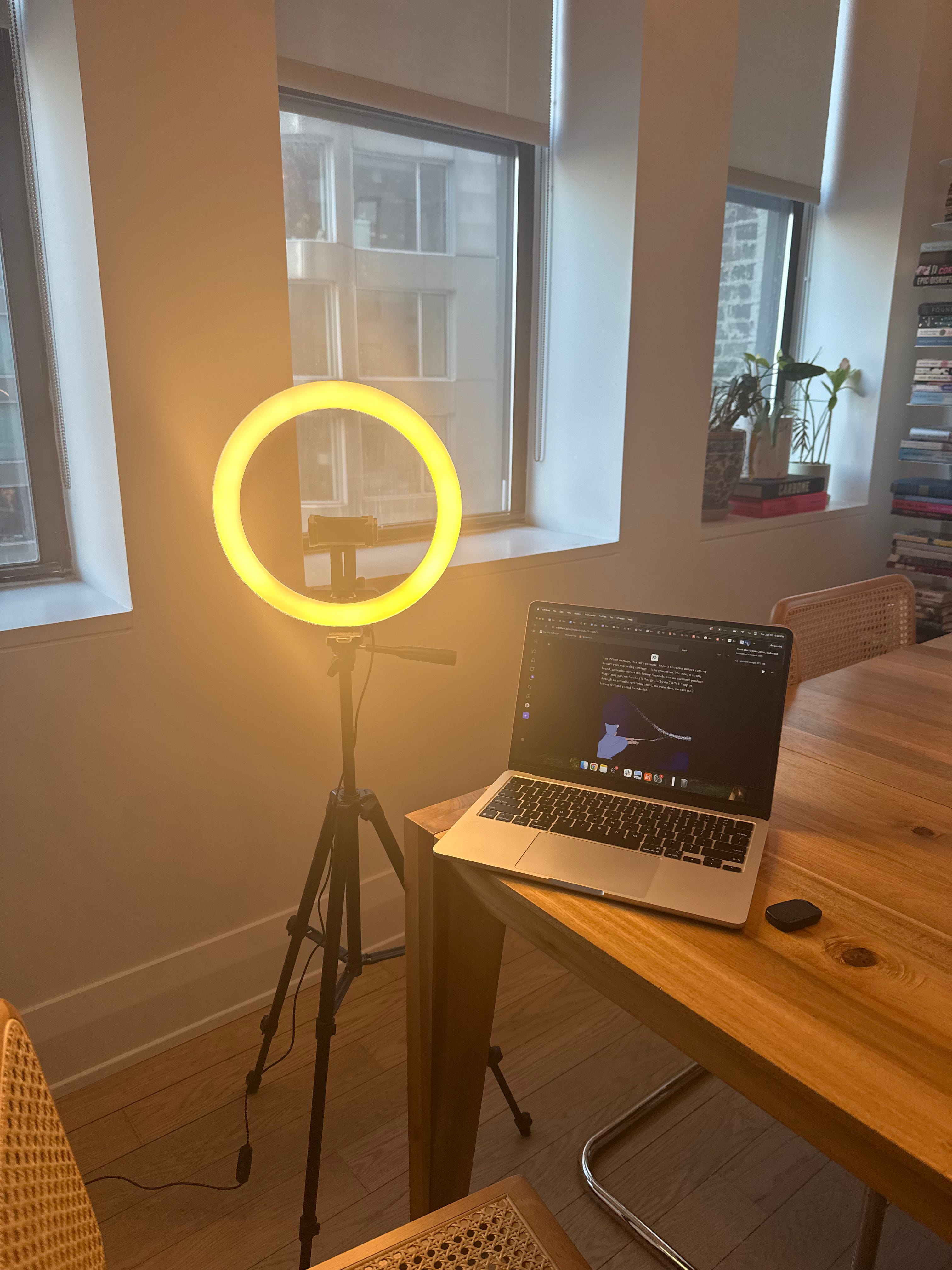
I’ve been playing detective in my brain, trying to understand what’s going on. It has me thinking about the different species of cringe that come with sharing online.
I think there are two categories, and the first I’ll call External Cringe. I see it as an outside force from a generation of people who are simultaneously obsessed with and disgusted by the internet. We’ve collectively decided that online self-promotion is cringe, and now it’s our new favorite word.
The second type is what I’m grappling with: Internal Cringe, which comes from feeling misaligned with your internal compass. If External Cringe comes from violating a social constitution, Internal Cringe comes from violating your own individual constitution.
I used to think about cringe as one-note — something you feel or don’t. Straightforward and easy to bulldoze past.
But what I’ve realized is that almost all cringey behavior involves both external and internal elements, and their impact varies from person to person.
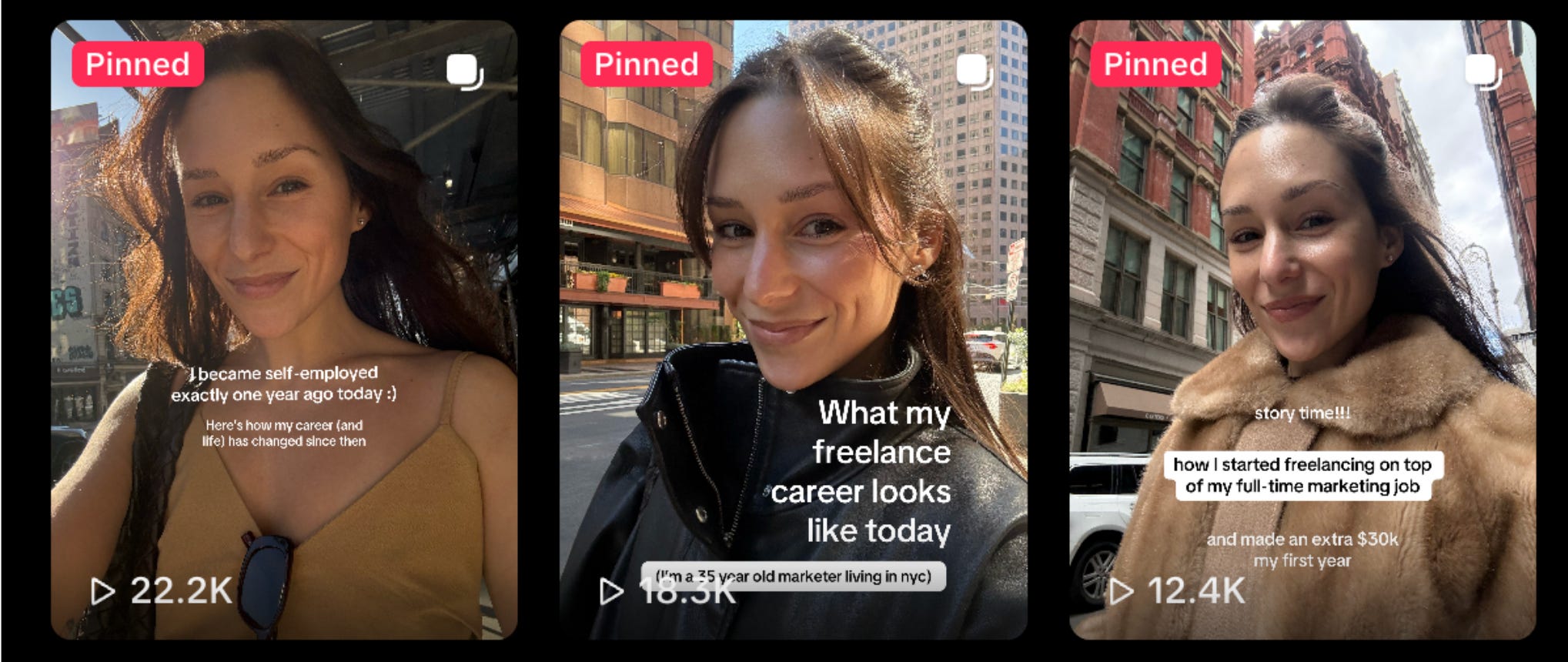
Here are a few examples from my experience on TikTok: